
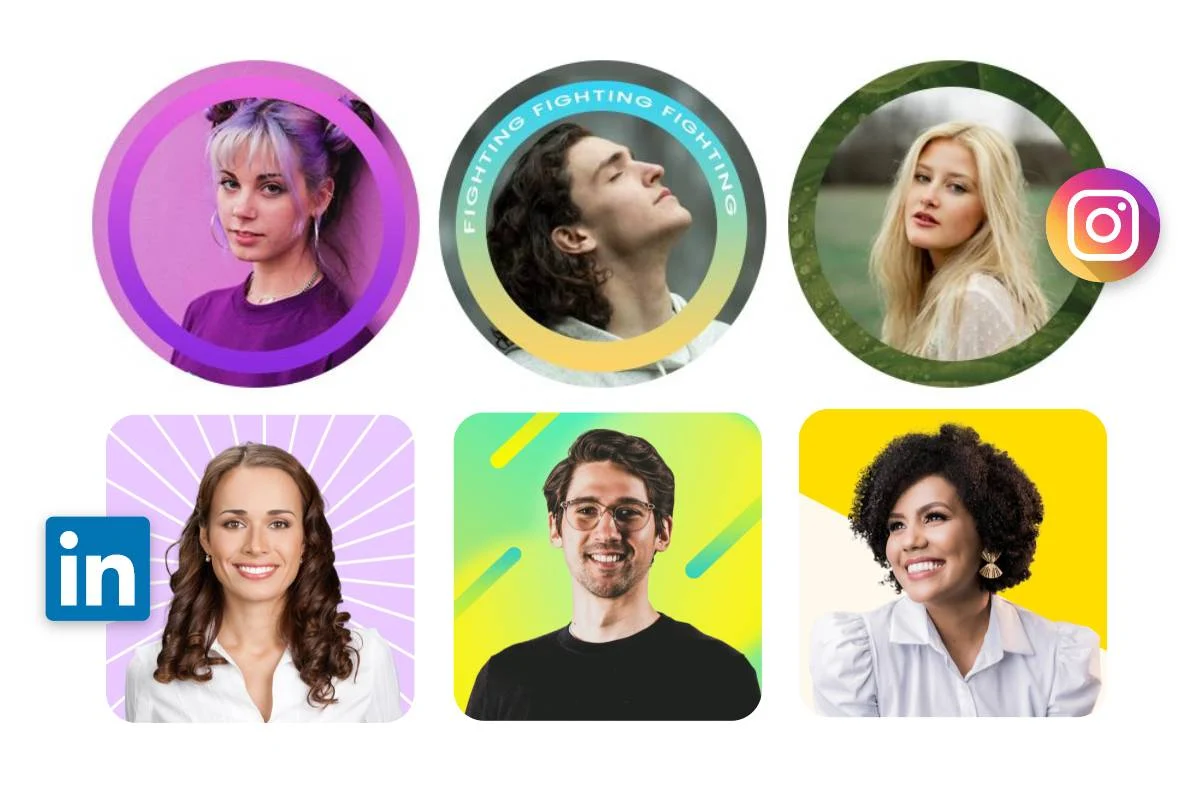
Profile pictures, commonly known as PFPs, have become a powerful digital identity tool. Whether on social media, gaming platforms, community forums, or NFT projects, a unique PFP helps users stand out and express their personality. As the demand for personalization grows, many creators and businesses are now interested in building your own PFP generator to offer custom avatars in a scalable and creative way.
A PFP generator allows users to create personalized profile images by mixing different design elements such as backgrounds, facial features, accessories, and styles. This guide explains why and how you should consider building your own system and what you need to make it successful.
What Is a PFP Generator?
A PFP generator is a digital tool or web-based system that automatically creates profile pictures based on selected traits or randomized combinations. These traits usually include head shapes, eye styles, hair types, clothing options, background colors, and more.
When you focus on building your own PFP generator, you are designing a platform where users can generate unlimited unique avatars that match their personality or brand identity. These generators are widely used in NFT collections, gaming communities, Discord servers, and branding campaigns.
Why Build Your Own PFP Generator
Creating your own PFP generator gives you full control over design, branding, and user experience. You can tailor avatars based on a specific theme such as futuristic, cartoon, cyberpunk, professional, or artistic.
For businesses, a PFP generator increases engagement and builds community identity. For creators and developers, it can become a revenue source through premium features or subscriptions. It also allows you to scale creativity while maintaining consistency.
When you invest in building your own PFP generator, you create a system that can evolve with trends and user demands.
Who Can Benefit from a PFP Generator
Many industries and user groups benefit from customized avatar systems. These include:
- Content creators and influencers
- NFT project developers
- Gaming platforms
- Social media communities
- Personal branding consultants
- Online course providers
- Metaverse platforms
- Digital art businesses
- Brand agencies
- Community managers
Each group uses PFPs to strengthen identity and visual recognition among audiences.
Key Components of a PFP Generator
To make an effective generator, you need several structured assets and technical features. These include design layers, a logic system, user interface, customization controls, and export functions.
Design layers allow users to mix and match appearances. These layers include faces, eyes, hair, accessories, skins, and background visuals. The logic engine ensures that all combinations remain visually balanced and consistent.
A smooth user interface is essential so users can easily navigate options and generate their desired avatar.
Step-by-Step Process for Building Your Own PFP Generator
Step 1: Define Your Concept
Decide the theme and style of your avatars. It may be modern, minimalistic, cartoon-style, or futuristic.
Step 2: Plan Avatar Layers
Create different trait categories like:
- Face shapes
- Eye styles
- Hair designs
- Outfits
- Accessories
- Backgrounds
Step 3: Design Visual Assets
Use design software to create individual assets in transparent layers. These will form the building blocks for avatars.
Step 4: Choose a Technical Framework
Use coding languages such as JavaScript, Python, or tools like Unity or Node.js for interactive systems.
Step 5: Integrate Randomization Logic
This ensures unique combinations where each PFP is visually different.
Step 6: Test User Experience
Check load speed, visual accuracy, and smooth functionality.
Step 7: Launch and Update
Once live, gather feedback and release improvements regularly.
Benefits of Building Your Own PFP Generator
A custom generator allows you to create a scalable system that can grow with your brand. You get control over design quality and user interaction. It also opens opportunities for monetization and collaborative projects.
You can integrate branding elements such as logos, brand colors, and unique styles to create strong recognition. A generator also strengthens community connection by allowing users to design their identity.
When done correctly, building your own PFP generator becomes a long-term asset rather than a one-time project.
Comparison Table: Custom Generator vs Ready-Made Platforms
| Feature | Custom PFP Generator | Ready-Made Tool |
| Design Control | Full | Limited |
| Branding Flexibility | High | Moderate |
| Scalability | Unlimited | Restricted |
| Cost | Initial investment | Subscription based |
| User Experience | Fully customizable | Pre-defined |
This shows how owning your own system gives more creative freedom and long-term value.
Tools and Technologies to Consider
Some commonly used tools include:
- Figma for design layouts
- Adobe Illustrator for asset creation
- JavaScript for logic integration
- React for interface design
- Node.js for backend processing
- Python for batch generation
- Web-based avatar APIs
Selecting the right tools depends on your technical skill level and project scale.
Monetization Opportunities
If you want to turn your generator into income, you can introduce premium features such as exclusive avatar packs, downloadable HD images, or NFT conversion. You can also offer custom avatar services for companies and influencers.
Subscription models and community memberships can help you build sustainable revenue streams.
Common Mistakes to Avoid
Avoid overly complex designs that slow down performance. Do not overload the interface with too many options. Keep the system responsive and visually balanced.
Another mistake is inconsistent asset quality. All elements must align in style, size, and resolution to maintain a professional appearance.
How PFP Generators Improve Branding
A generator strengthens brand personality by allowing users to express themselves while staying connected to your platform. It increases engagement and encourages users to share their avatars on different platforms, giving your brand organic visibility.
This visual identity helps build recognition and trust, especially in online communities.
Frequently Asked Questions
What is the purpose of building a PFP generator?
It helps users create unique avatars for identity and branding purposes.
Can beginners build a PFP generator?
Yes, with basic design and coding knowledge, beginners can create functional systems.
Is it suitable for business use?
Yes, many businesses use custom PFP generators as branding tools.
Can it be used for NFT projects?
Yes, it is widely used in NFT avatar collections.
Is coding required?
Coding is recommended for advanced features, but no-code tools are also available.
Conclusion
Building your own PFP generator is a smart and creative investment for creators, brands, and developers who want to deliver personalized avatar experiences. It offers flexibility, scalability, unique branding opportunities, and strong user engagement. By creating a system that reflects your style and vision, you gain full control over how your community expresses its identity.
With careful planning, quality design assets, and the right technical approach, your PFP generator can become a powerful tool for creativity, branding, and online interaction.
Keep an eye for more latest news & updates on Manga Buddy!